
Protect The Safety, Health,
and Beauty of Your Trees
Certified Arborists and
Tree Care Specialists
Pierce and South King County, Washington
Healthy, properly maintained trees add beauty and value to your property. When you are concerned about your trees, contact an arborist at Thundering Oak to restore your peace of mind and ensure the health and safety of your trees.
 TREE SERVICES
 LANDSCAPE SERVICES
STORM DAMAGE
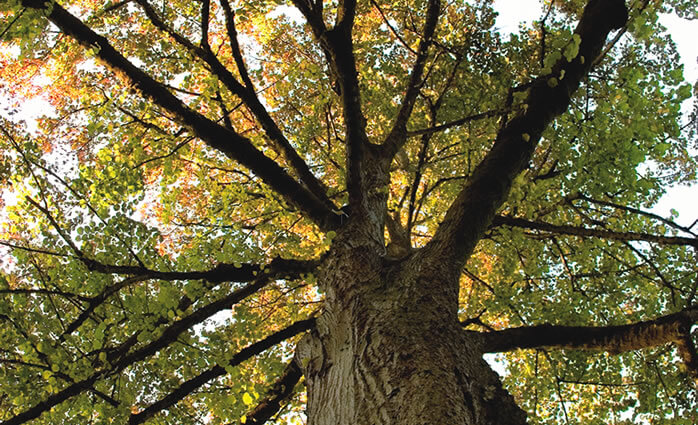
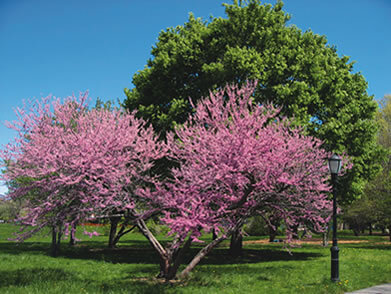
 TREE SERVICES
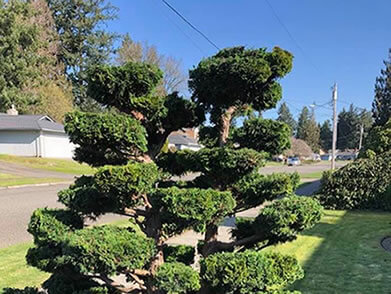
 LANDSCAPE SERVICES
STORM DAMAGE
Tree work performed using arboriculture industry best practices
Trees that pose a danger of injury, property damage or both
• Storm-damaged trees
• Trees and shrubs getting too large for their space
• Trees blocking your view
• Over-grown trees and shrubs which need pruning or trimming
Tree and shrub services for residential, commercial, and government property owners.
Your Satisfaction is Guaranteed
You can count on:
A discussion with a certified arborist about your tree-related situation
A proper assessment of your tree-related situation by a certified arborist
A written, competitive estimate for the work you have requested
Tree and shrub work performed using arboriculture industry best practices
Use of the latest in modern equipment and safety practices
Clean-up as agreed – all tree, shrub, and stump debris removed from your yard.
Contact us today to schedule tree care services, 253-288-8733.
 Fees
Fees
We quote most work as a flat fee for the job, usually with line items for each plant or plant group. We bill hourly or “time and materials” for regular customers and jobs too difficult to estimate accurately. We can include a “not to exceed” maximum for these jobs.
 Respectful, Knowledgeable Tree Care Specialists You Can Trust
Our staff of certified arborists and tree care specialists is knowledgeable and practiced in all areas of arboriculture. Our tree teams are capable of handling all of your tree-related concerns.
 Service Area
North Pierce County and South King County including Algona, Auburn, Black Diamond, Covington, Edgewood, Federal Way, Fife, Kent, Lake Tapps, Lakeland North, Lakeland South, Milton, Pacific, Puyallup, Sumner, Tacoma, and surrounding areas.
Fees
We quote most work as a flat fee for the job, usually with line items for each plant or plant group. We bill hourly or “time and materials” for regular customers and jobs too difficult to estimate accurately. We can include a “not to exceed” maximum for these jobs.
Respectful, Knowledgeable Tree Specialists You Can Trust
Our staff of certified arborists and tree specialists is knowledgeable and practiced in all areas of arboriculture. Our tree teams are capable of handling all of your tree-related concerns.
Service Area
North Pierce County and South King County including Algona, Auburn, Black Diamond, Covington, Edgewood, Federal Way, Fife, Kent, Lake Tapps, Lakeland North, Lakeland South, Milton, Pacific, Puyallup, Sumner, Tacoma, and surrounding areas.
Contact us today to schedule tree care services, 253-288-8733.